-
EXPOSED ROOTS (The Series)
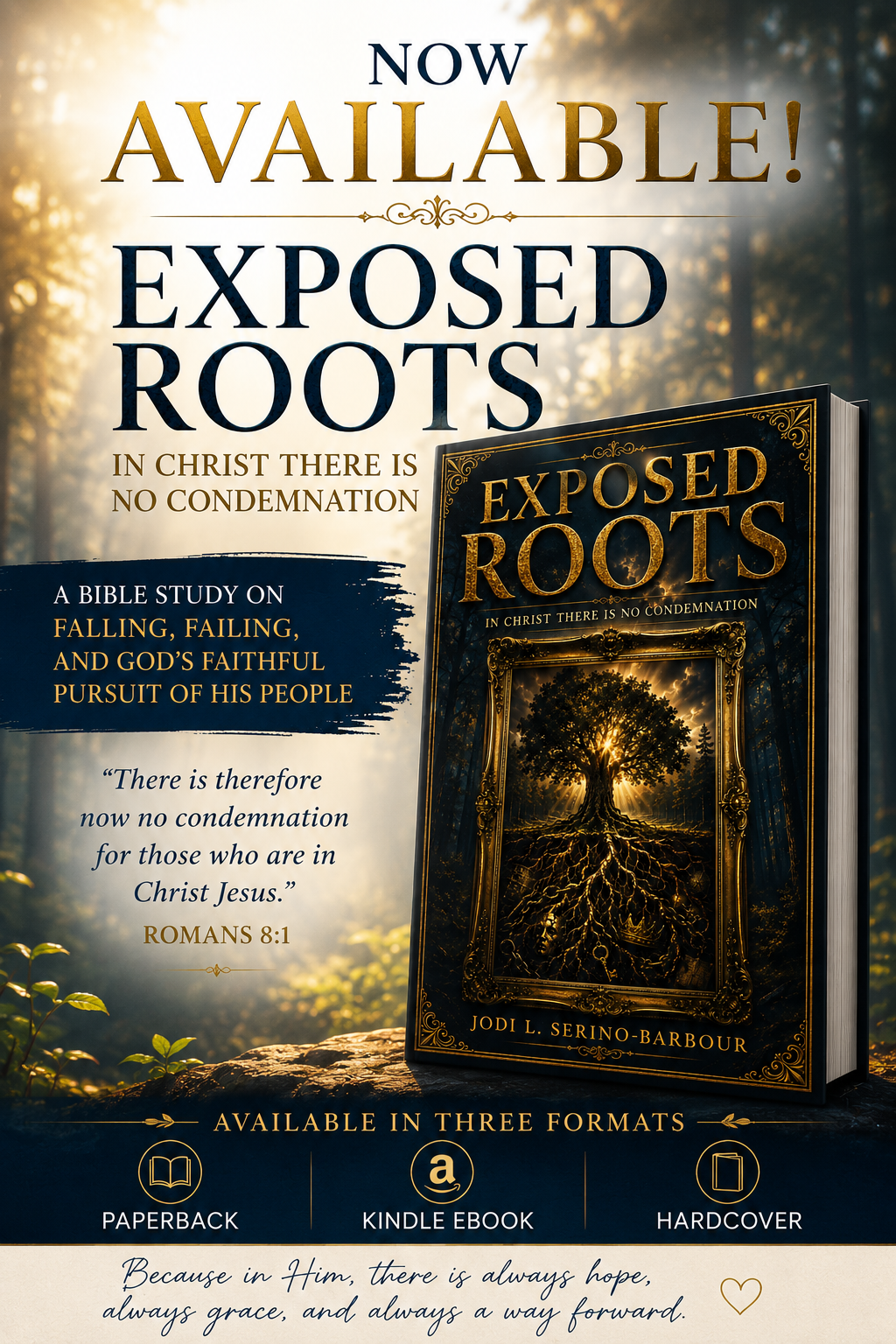
Exposed Roots: In Christ There Is No Condemnation is the first book in the Exposed Roots series by Jodi L. Serino-Barbour. Through Scripture, real-life examples, and practical biblical insight, this book explores hidden spiritual roots, the difference between conviction and condemnation, and what it means to remain firmly rooted in Christ while growing in spiritual…
-
Understanding Covenant Language – Exodus 33(B)
What does it truly mean to seek the Lord? In this Interactive Study Companion on **Exodus 33:7–11**, journey beyond a simple reading of the text as you explore the Tent of Meeting, the difference between seeking and worship, God’s abiding presence, and the dangers of spiritual apathy. Through cross-references, word studies, comparisons, and practical application,…
-
Understanding Covenant Language – Exodus 33 (A) Pt.2
What if the ornaments God asks us to remove are more than jewelry? In Exodus 33:4–6, Israel stripped themselves of their ornaments after hearing that Yahweh’s presence might not go with them. Through kings, priests, queens, elders, soldiers, and ordinary people, Scripture reveals that ornaments often represent far more than outward adornment. They can symbolize…
-
Prayer Journals and Notebooks

Some moments are too important to forget. Whether you are recording prayer requests, documenting answered prayers, studying Scripture, preparing for what lies ahead, or simply writing down the journey God is leading you through, these journals and notebooks provide a place to preserve those moments. The Prayer Journals are designed to help you track your…
-
A Place Where Faith Gets Receipts

Regarding: With Prayer and Intercession –From: Madeleine Cassie, Reader and Book Visibility Consultant – The phrase With Prayer and Intercession immediately suggests something many books rarely express openly: prayer is not vague, forgotten, or without record. It is specific, remembered, carried intentionally, and often answered. What this journal provides is far more than pages to…
-
Beyond the Symptoms
Regarding: Iron Sharpens Iron: It’s Business, Not Personal –From: Brittany, Stavros Niarchos Foundation Library – The ideas presented within Iron Sharpens Iron: It’s Business, Not Personal demonstrate urgency, conviction, and moral clarity. The work’s examination of authority and leadership across government, business, education, and religious institutions creates a framework for accountability and reflection. By confronting…
-
Not a Retelling, but an Unlocking

Regarding: I Am a Giant Slayer –From: Dimetria Madison, Executive Assembly, European Book Club – I Am a Giant Slayer is not simply a retelling of David and Goliath. Instead, it unlocks the account and invites readers to apply its lessons to present-day spiritual battles. The work stands out because it moves beyond familiar narratives…
-
Your Sanctuary Is Needed
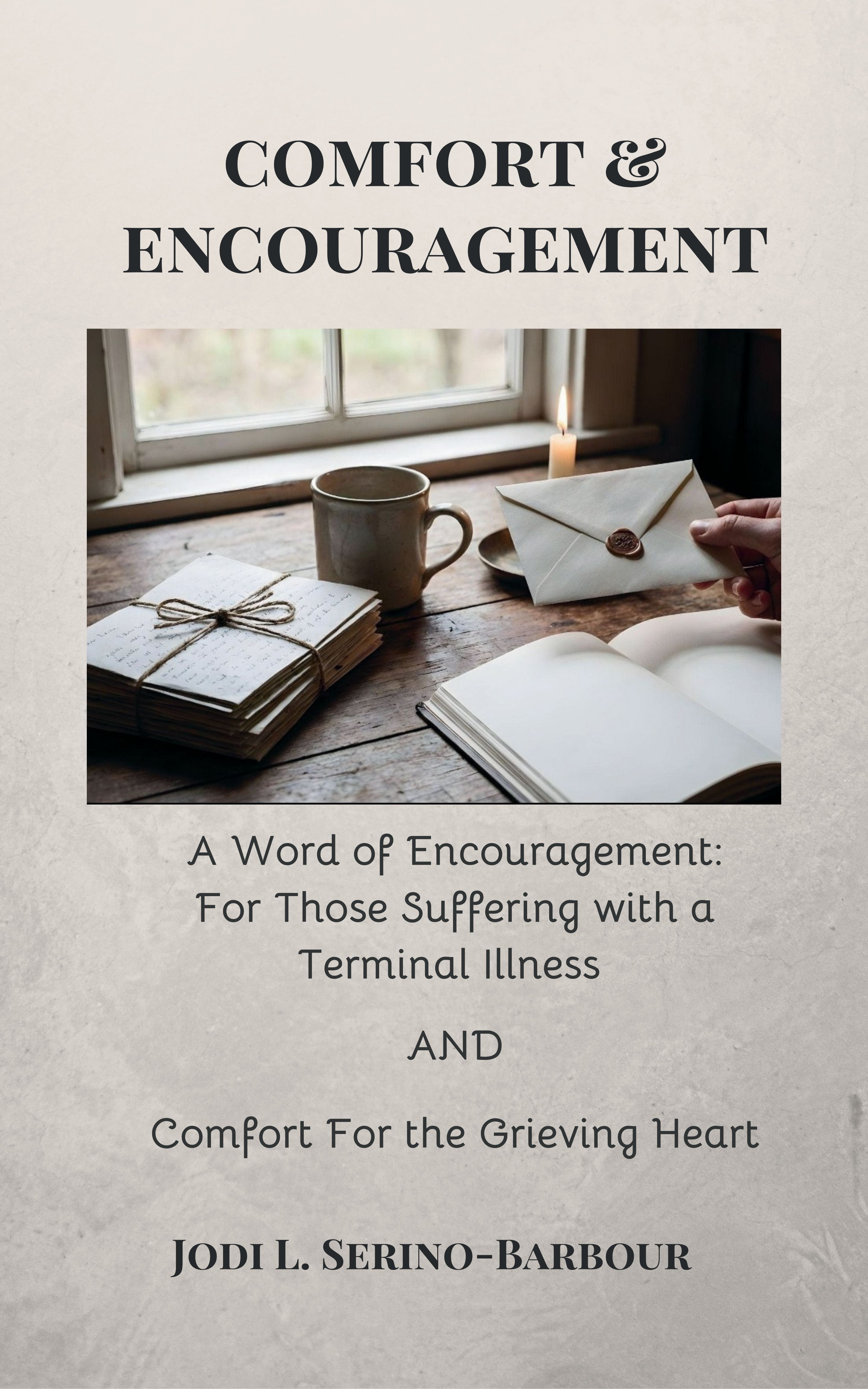
Regarding: Comfort and Encouragement –From: Paul – It is exceptionally rare to encounter a work that addresses the anger, fear, grief, and uncertainty surrounding illness and loss without relying upon empty platitudes. Comfort and Encouragement stands apart because it transforms personal writings, a letter to a family member facing cancer, and a funeral message, into…
-
When the Familiar Becomes Strategic
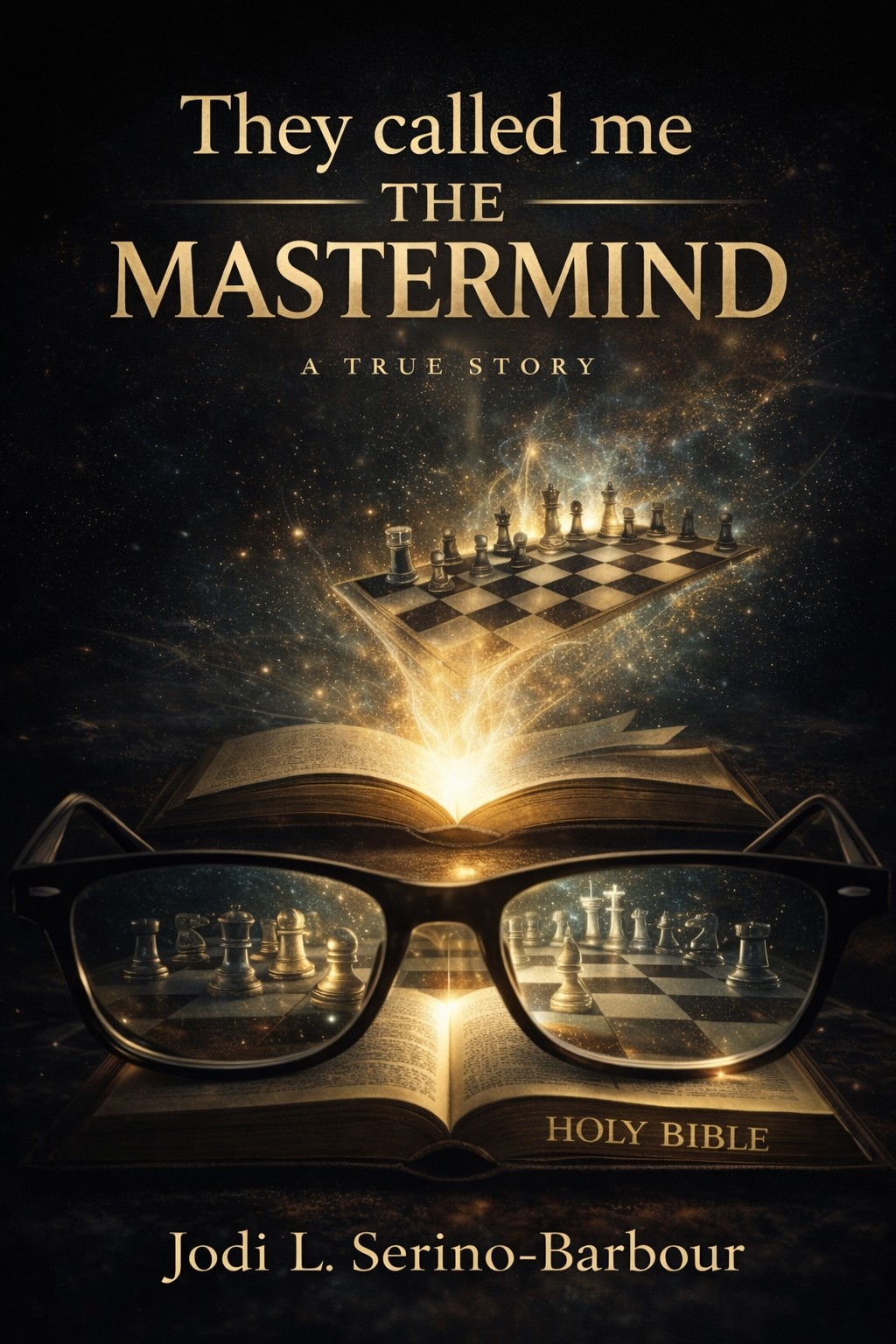
Regarding: They Called Me THE MASTERMIND: A True Story – From: Jonathan Morgan, Christian Book Marketing Consultant – Some stories teach through instruction. Others teach through revelation. They Called Me THE MASTERMIND: A True Story operates in the uncommon space where both converge. At first glance, the metaphor of chess feels familiar. Yet the book…
-
Equipping Those Who Are Called

Regarding: The 5C’s of a Soldier of Christ MASTERCLASS: A Complete and Comprehensive Study of 2 Timothy –From: David George – Publishing a book requires courage, persistence, and the willingness to place something deeply personal into the world, trusting that it will reach the readers God intends. The 5C’s of a Soldier of Christ MASTERCLASS…
-
Podcast Episode: Ministerial Training & Spiritual Warfare Preparation Manuals
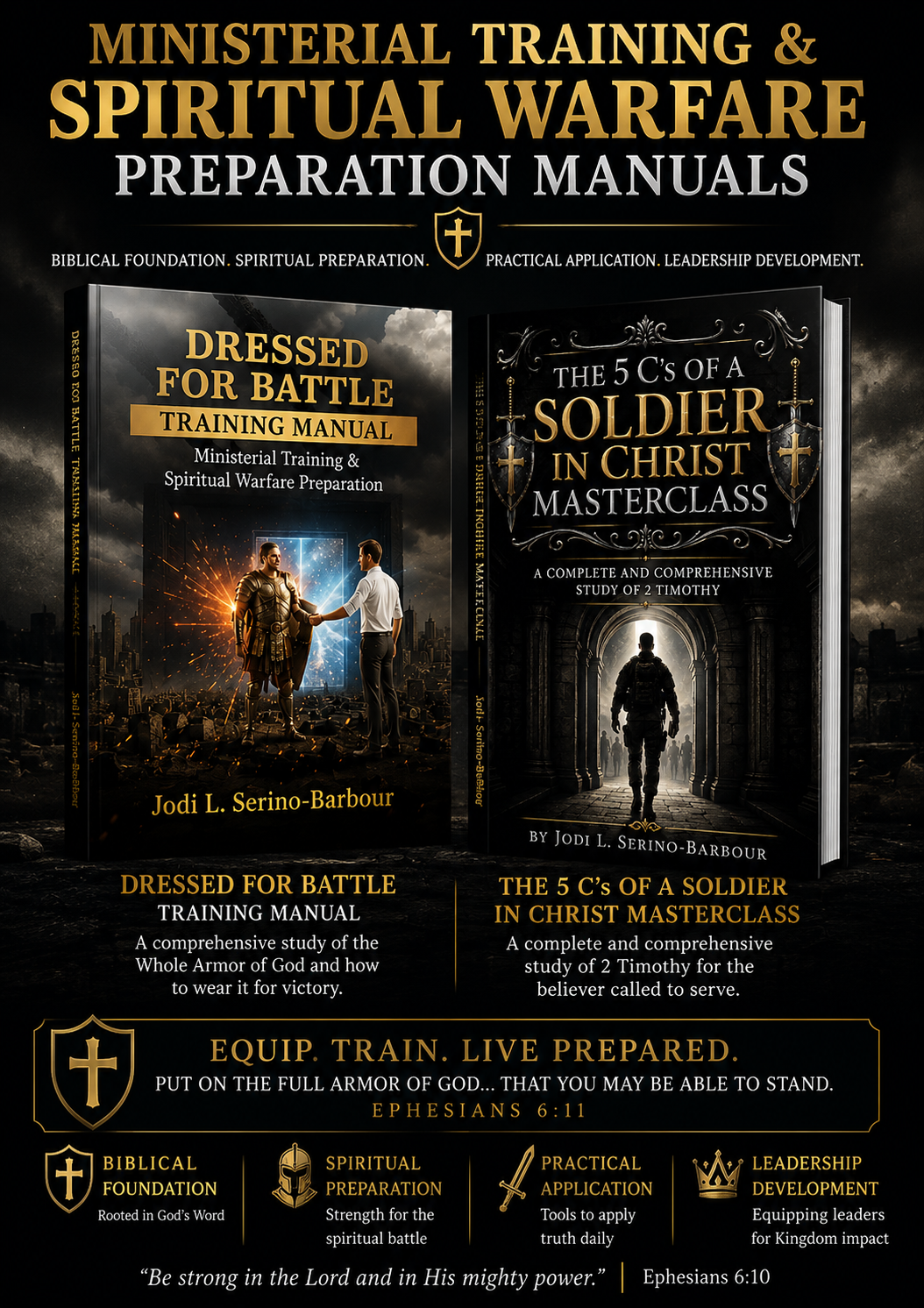
Pip: Between a Father and His Daughter, Home of the Artisans Pen — where the reading list doubles as field gear. Mara: ABASilence Ministries has been putting out resources aimed squarely at people stepping into ministry and spiritual leadership, and today we're looking at what that preparation actually involves. Let's start with the training manuals…
-
Podcast Episode: Spiritual Warfare Series
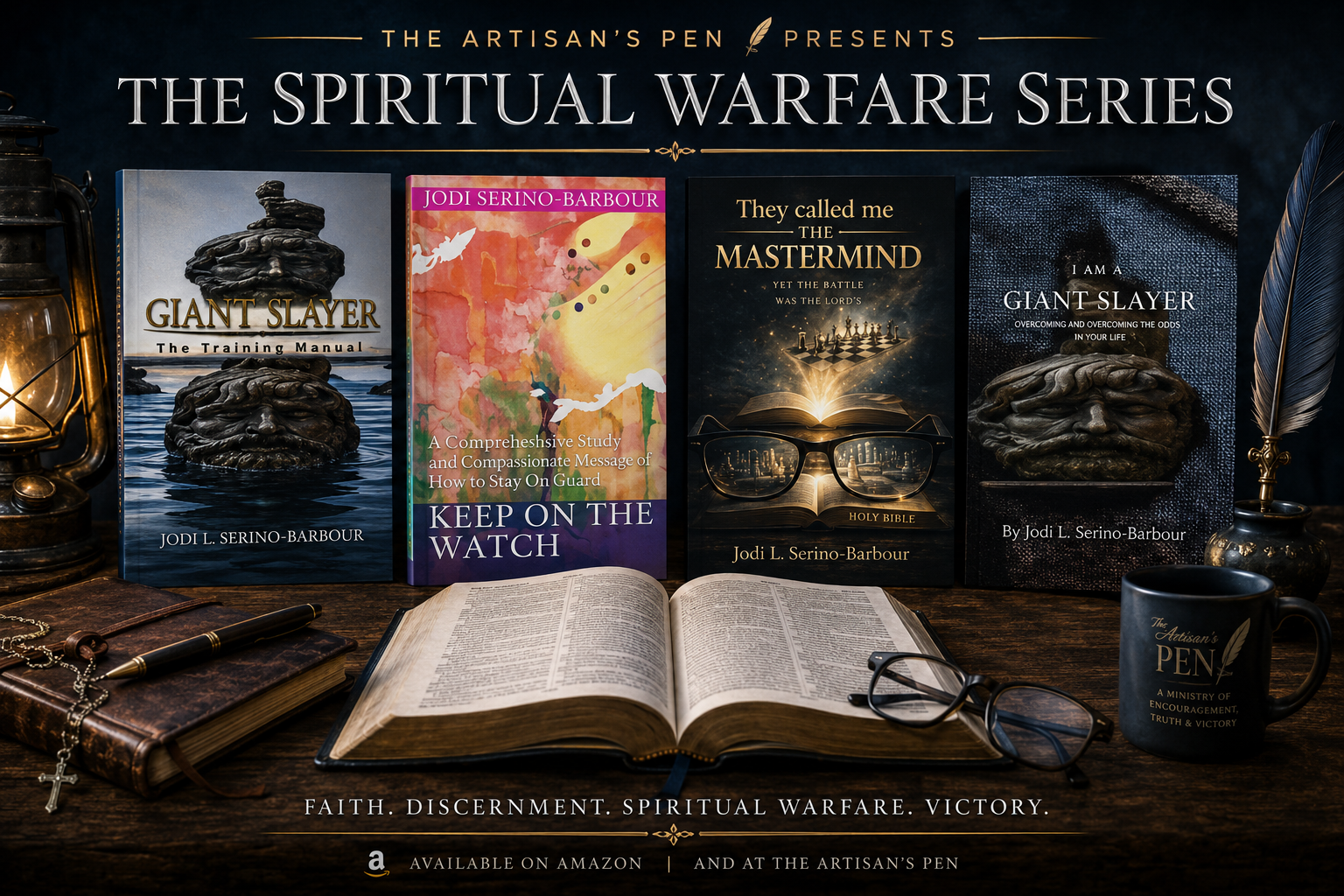
Pip: Between a Father and His Daughter, Home of The Artisans Pen — where the site name alone tells you something serious is happening before you even click a post. Mara: This episode covers one territory: spiritual warfare, through a series of books from ABASilence Ministries that treat the subject as something you train for,…
-
Podcast Episode: Living the Omer – A Christian Experience Series
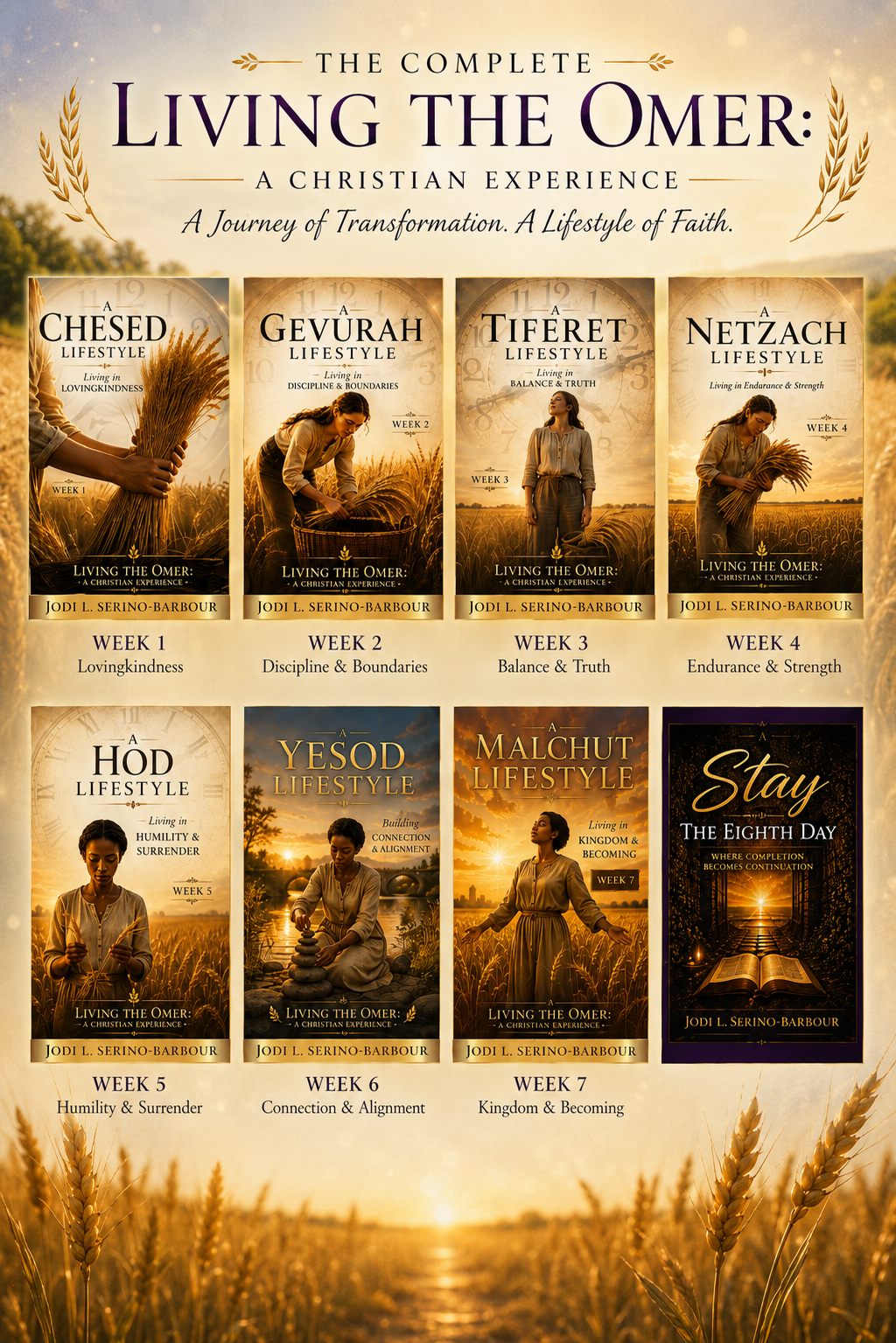
Pip: Between a Father and His Daughter, Home of The Artisans Pen — where the counting never really stops. Mara: Today we’re looking at a devotional series from ABASilence Ministries that walks the ancient practice of counting the Omer through a Christian lens — seven weeks, seven spiritual attributes, and what it looks like to…
-
Living the Omer – A Christian Experience Series
Living the Omer: A Christian Experience is a seven-week devotional journey that invites readers to walk through the biblical counting of the Omer from a Christian perspective. Each week explores one of the seven spiritual attributes traditionally associated with the Omer, offering opportunities for reflection, personal growth, prayer, and spiritual renewal. Through daily readings, journaling…
-
Spiritual Warfare Series
The Spiritual Warfare Series equips believers to recognize the battles they face, understand the enemy’s strategies, and stand firmly in the victory found in Christ. Through biblical insight, practical application, personal testimony, and spiritual training, these four books guide readers from awareness to preparation, discernment to action. Explore the giants of today, learn the weapons…
-
Understanding Covenant Language – Exodus 33(A) Pt. 1
God’s promises are certain, but His people are called to remain watchful, obedient, and faithful. Exodus 33:1-3 reveals the tension between receiving the promise and enjoying the presence of God. Through Moses’ intercession, the danger of complacency, and the examples of the enemies within the land, we are reminded to guard our hearts, endure in…
-
Ministerial Training & Spiritual Warfare Preparation Manuals
Some battles are not fought on a battlefield. They are fought in the mind, the heart, the prayer closet, and the daily decisions of those called to serve. The Dressed for Battle Training Manual Series is designed to prepare believers for ministry, spiritual warfare, leadership, and service. These manuals move beyond simply identifying the armor…
-
Something Old Something New, The Blessings: Leviticus 26:12
After examining Leviticus 26:12 and comparing it with the lives of Enoch, Noah, Abraham, Hezekiah, and the churches of Smyrna and Philadelphia, one truth becomes clear: God desires to walk among His people, and He calls His people to walk with Him. Through examples of faithfulness, obedience, perseverance, and God’s manifested presence, this interactive study…
-
Understanding Covenant Language – Exodus 32 (D)
In Exodus 32:30–35, Moses returns to the LORD after the golden calf incident and offers an extraordinary request: “Blot me, I pray thee, out of thy book.” In doing so, Moses reveals a theme that stretches from Genesis to Revelation—the books of God. What book was Moses referring to? What is written in it? How…
-
Understanding Covenant Language – Exodus 32 (C)
In Exodus 32:15–29, Moses descends the mountain carrying tablets written by the finger of God. What follows is more than the destruction of a golden calf—it is a lesson in discernment, leadership, accountability, and consecration. Joshua and Moses hear the same sounds but reach different conclusions. Aaron’s failure to restrain the people leads to chaos,…