-
Something Old Something New – The Blessings, Leviticus 26:11
What is the greatest blessing God can give His people? Leviticus 26:11 invites us to look beyond provision, protection, and prosperity to discover something even greater—God’s presence. In this interactive study, we follow the thread from Genesis to Revelation, exploring God’s desire to dwell among His people and what it means when He says, “I…
-
Understanding Covenant Language — Genesis 20
Abraham had already witnessed God’s faithfulness, protection, and covenant promises, yet Genesis 20 records a moment when fear influenced his decisions. Why would someone who knew God so well repeat a mistake from earlier in his journey? This interactive study explores the tension between faith and fear, the fear of man versus the fear of…
-
Understanding Covenant Language – Genesis 3
What if Genesis 3 contains more than we’ve been taught to see? In this study, we slow down and examine the actual words found in the text, following the covenant language of “I will” and searching beyond assumptions. Through accountability, consequences, repentance, and a deeper investigation of the word conception, we discover the importance of…
-
Understanding Covenant Language — Genesis 18
What happens when God says, “I will”? Genesis 18 invites us to examine covenant language through the promises made to Abraham, the announcement of Isaac before his conception, and Abraham’s intercession for Sodom. In this interactive study, we follow the covenant statements of God, compare Scripture with Scripture, and discover that God does not act…
-
Understanding Covenant Language — Genesis 13
Genesis 13 is often remembered as the chapter where Abram and Lot separate, but a closer look reveals much more. Through family connections, covenant promises, the role of the Kinsman Redeemer, and a generational overlap timeline, this study uncovers details that are often overlooked. How close was Abraham’s world to Noah’s? Who was still alive…
-
Understanding Covenant Language – Genesis 2
What if Genesis 2 is about more than the creation of Eve? In this study, we explore covenant language hidden within the phrase “I will” and examine the difference between comparable help and compatible help. Through Scripture, definitions, and observation, we discover that God had already provided help before Adam fully understood what he needed.…
-
Understanding Covenant Language – Exodus 32 (B)
What if the real story of Exodus 32 began long before the golden calf was built? In this Interactive Study Experience, we investigate the clues leading up to the event, uncover the trial that was already underway, examine the evidence behind the verdict, explore Moses as an advocate and friend, and discover how God had…
-
Akaga ko Kurandurwa
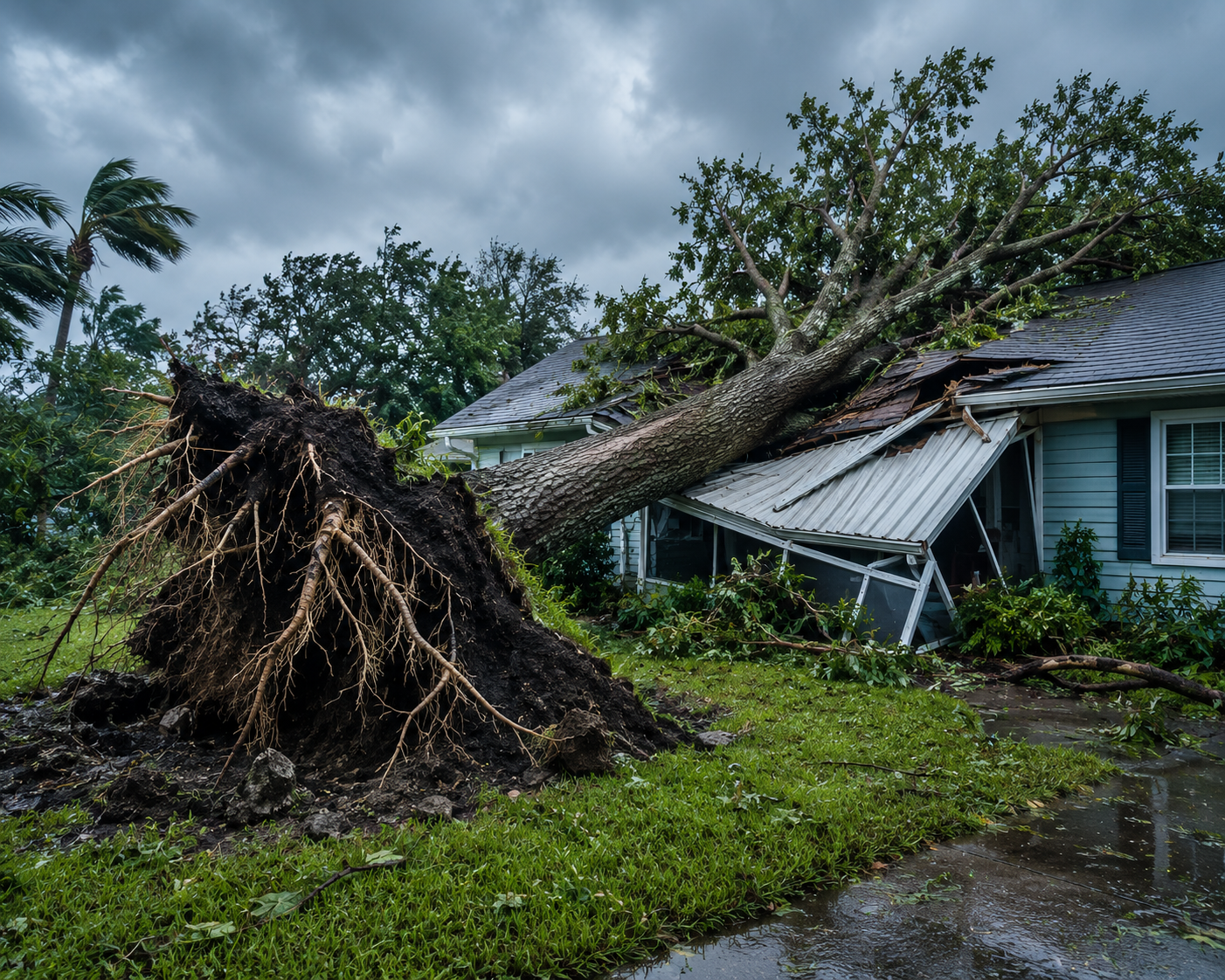
Kurandurwa bitandukanye no gukebwa. Gukebwa gukuraho ibitagikenewe kugira ngo gukura kwiza gukomeze. Ariko kurandurwa gukuraho imizi yose uko yakabaye. Mu Byanditswe byose, Imana iduhamagarira gushorera imizi no gukomera muri Yo kuko imizi ari yo itanga ubutajegajega mu bihe by’imiyaga n’ibihuhusi by’ubuzima. Akaga nyakuri si uguhura n’ibigeragezo cyangwa ingorane—ni ugucika ku Nkomoko iduha ubugingo. Shorera imizi…
-
Le Danger D’Être Déraciné
Être déraciné est différent d’être émondé. L’émondage enlève ce qui n’est plus nécessaire afin que la croissance saine puisse se poursuivre. Le déracinement, lui, enlève tout le système racinaire. Tout au long des Écritures, Dieu nous appelle à être enracinés et affermis en Lui, car les racines procurent la stabilité au milieu des tempêtes de…
-
El Peligro de Ser Desarraigado
Ser arrancado de raíz es diferente de ser podado. La poda elimina lo que ya no es necesario para que el crecimiento saludable pueda continuar. Ser arrancado de raíz elimina todo el sistema de raíces. A lo largo de las Escrituras, Dios nos llama a estar arraigados y establecidos en Él porque las raíces proporcionan…
-
Небезпека бути викоріненим
Бути викоріненим — це зовсім не те саме, що бути обрізаним. Обрізання усуває те, що більше не потрібне, щоб здоровий ріст міг продовжуватися. Викорінення ж видаляє всю кореневу систему. У всьому Писанні Бог закликає нас бути вкоріненими та утвердженими в Ньому, тому що коріння забезпечує стійкість під час життєвих бур. Небезпека полягає не в тому,…
-
उखाड़े जाने का खतरा
-
Sự Nguy Hiểm Của Việc Bị Nhổ Bật Gốc
-
O Perigo de Ser Arrancado Pela Raiz
Ser arrancado pela raiz é diferente de ser podado. A poda remove aquilo que já não é necessário para que o crescimento saudável possa continuar. Arrancar pela raiz remove todo o sistema radicular. Ao longo das Escrituras, Deus nos chama a estar enraizados e firmados n’Ele, porque as raízes proporcionam estabilidade durante as tempestades da…
-
উপড়ে যাওয়ার বিপদ
উপড়ে যাওয়া আর ছাঁটাই হওয়া এক বিষয় নয়। ছাঁটাই এমন জিনিস সরিয়ে দেয় যা আর প্রয়োজন নেই, যাতে সুস্থ বৃদ্ধি অব্যাহত থাকতে পারে। কিন্তু উপড়ে যাওয়া পুরো শিকড়ের ব্যবস্থাকেই সরিয়ে দেয়। সমগ্র শাস্ত্রজুড়ে ঈশ্বর আমাদের তাঁর মধ্যে মূলস্থাপিত ও প্রতিষ্ঠিত হতে আহ্বান জানান, কারণ জীবনের ঝড়ের সময় শিকড়ই স্থিতিশীলতা প্রদান করে। বিপদ কষ্টের মুখোমুখি হওয়ায়…
-
The Danger of Being Uprooted
Being uprooted is different from being pruned. Pruning removes what is no longer needed so healthy growth can continue. Uprooting removes the entire root system. Throughout Scripture, God calls us to be rooted and established in Him because roots provide stability during life’s storms. The danger is not in facing difficulty—it is in becoming disconnected…
-
被連根拔起的危險
-
Impuhwe Zihishe muri “Kugeza Igihe”
Bite se niba imwe mu mbabazi zikomeye Imana itanga zihishe mu ijambo “kugeza igihe”? Muri iki cyigisho cyo gutekerezaho, dusuzuma uburyo Imana ikorera mu bihe by’inzibacyuho, gukura, no gusohozwa kw’intego zayo. Dushingiye ku Balewi 26:10, tubona ko kuba ibya kera bikiriho bidasobanuye ko Imana yahagaritse gukora—bishobora gusa gusobanura ko turi mu mwanya witwa “kugeza igihe.”…
-
直到中的憐憫
-
La Bénédiction Cachée Dans « Jusqu’à »
Et si l’ancienne saison était encore présente parce que Dieu n’avait pas terminé Son œuvre ? Dans cette réflexion dévotionnelle, nous découvrons la miséricorde cachée dans un simple mot : « jusqu’à ». À travers Lévitique 26:10, Ésaïe 54:13 et Éphésiens 4:13, nous voyons que Dieu agit souvent par étapes, guidant Son peuple de la…